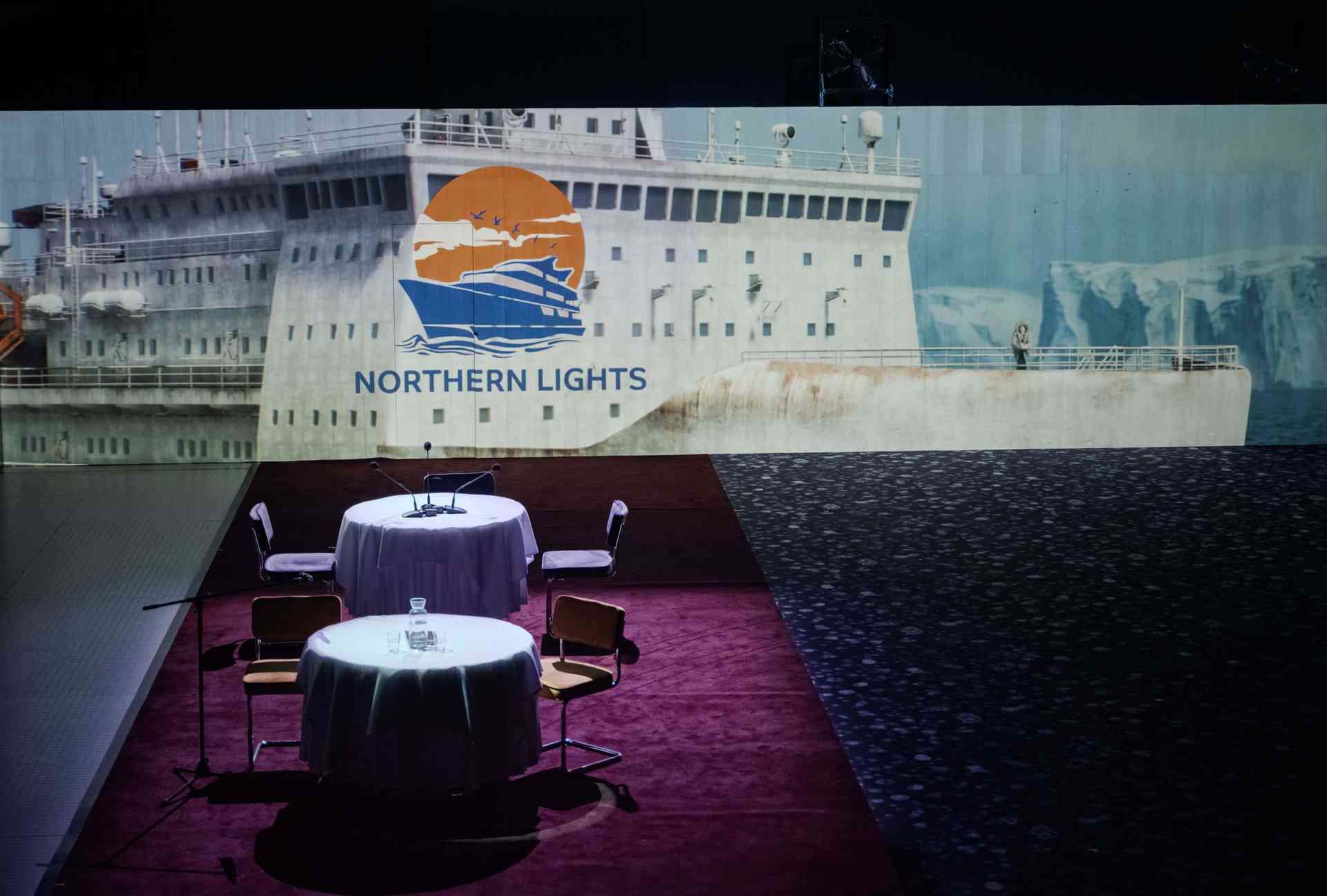
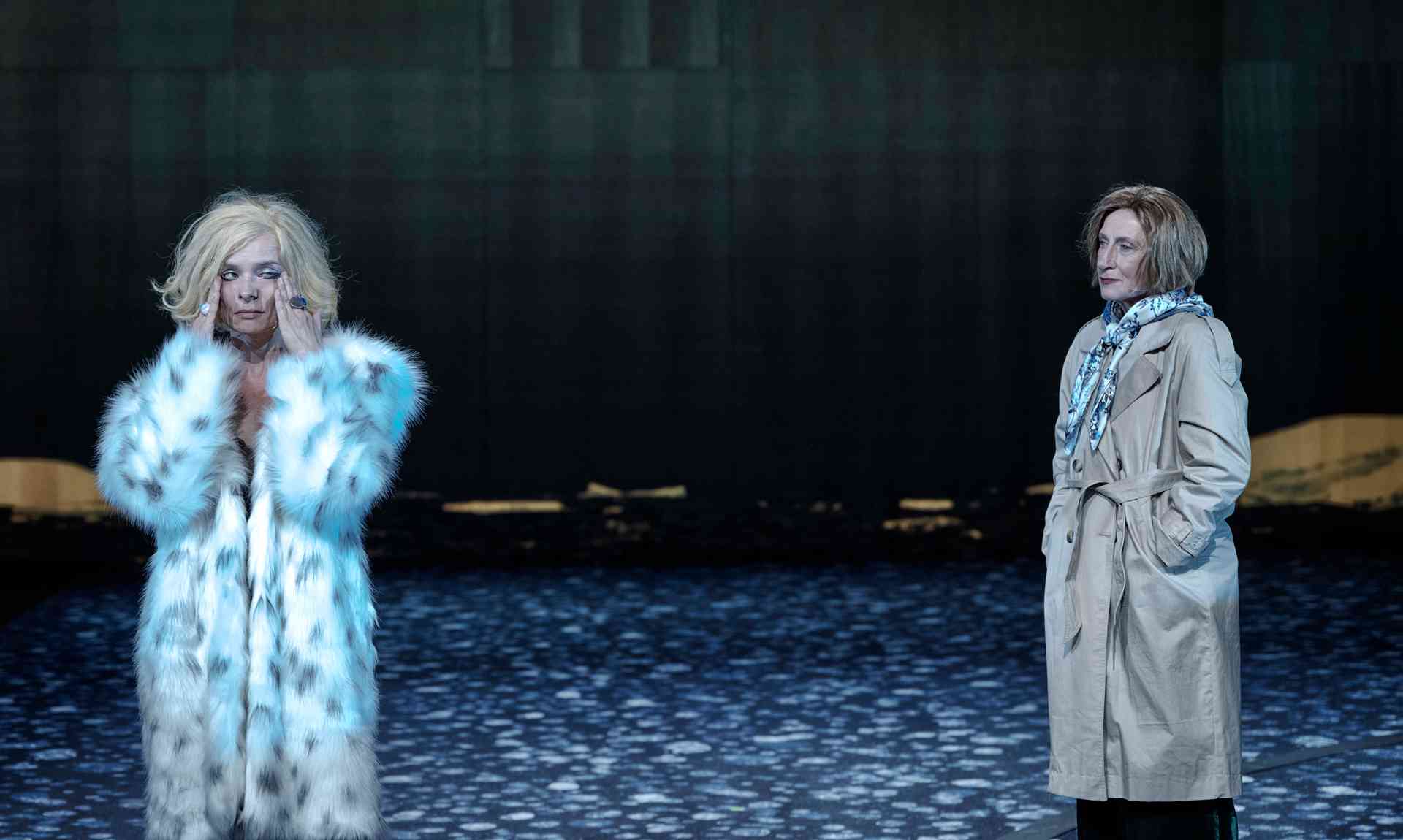
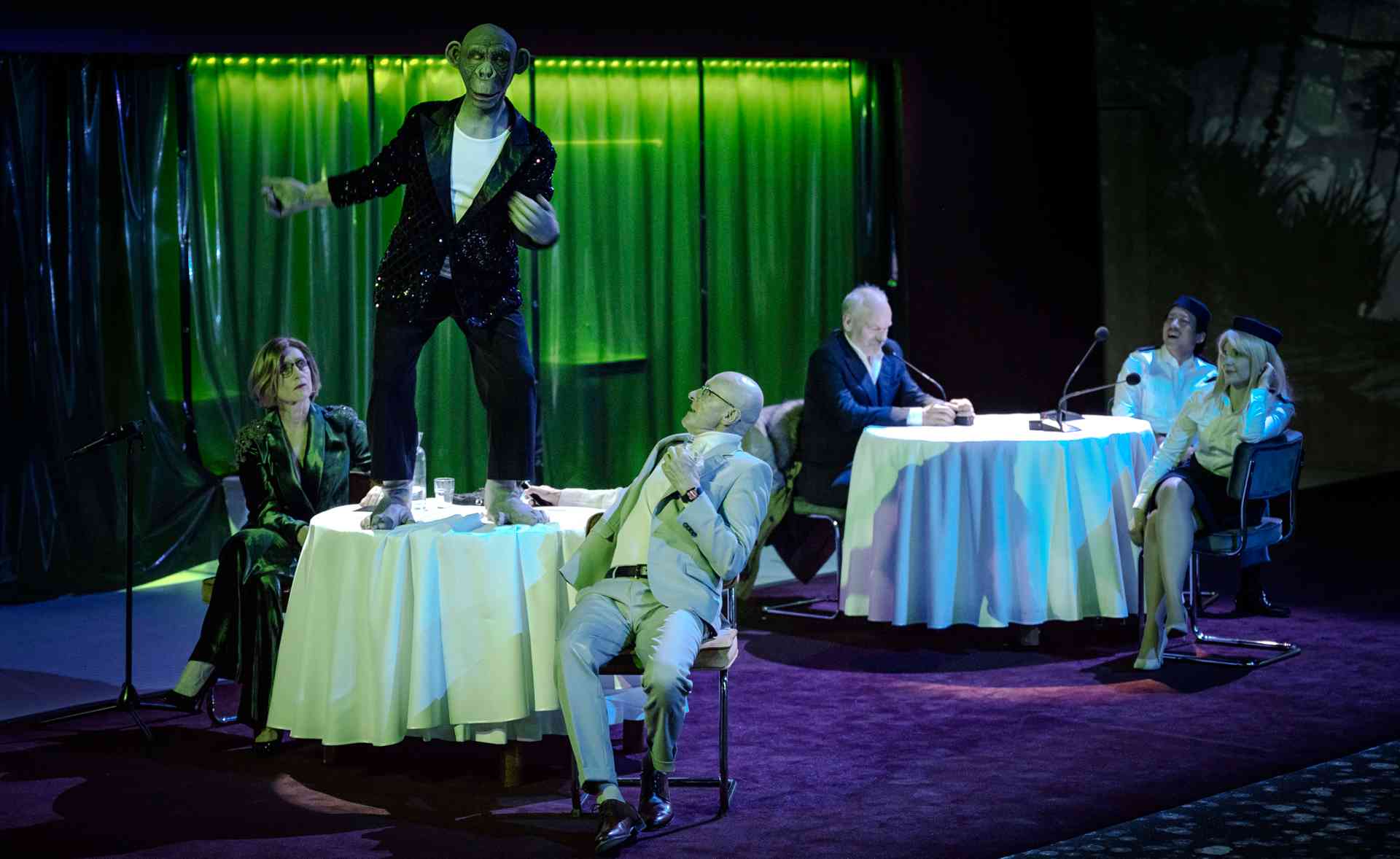
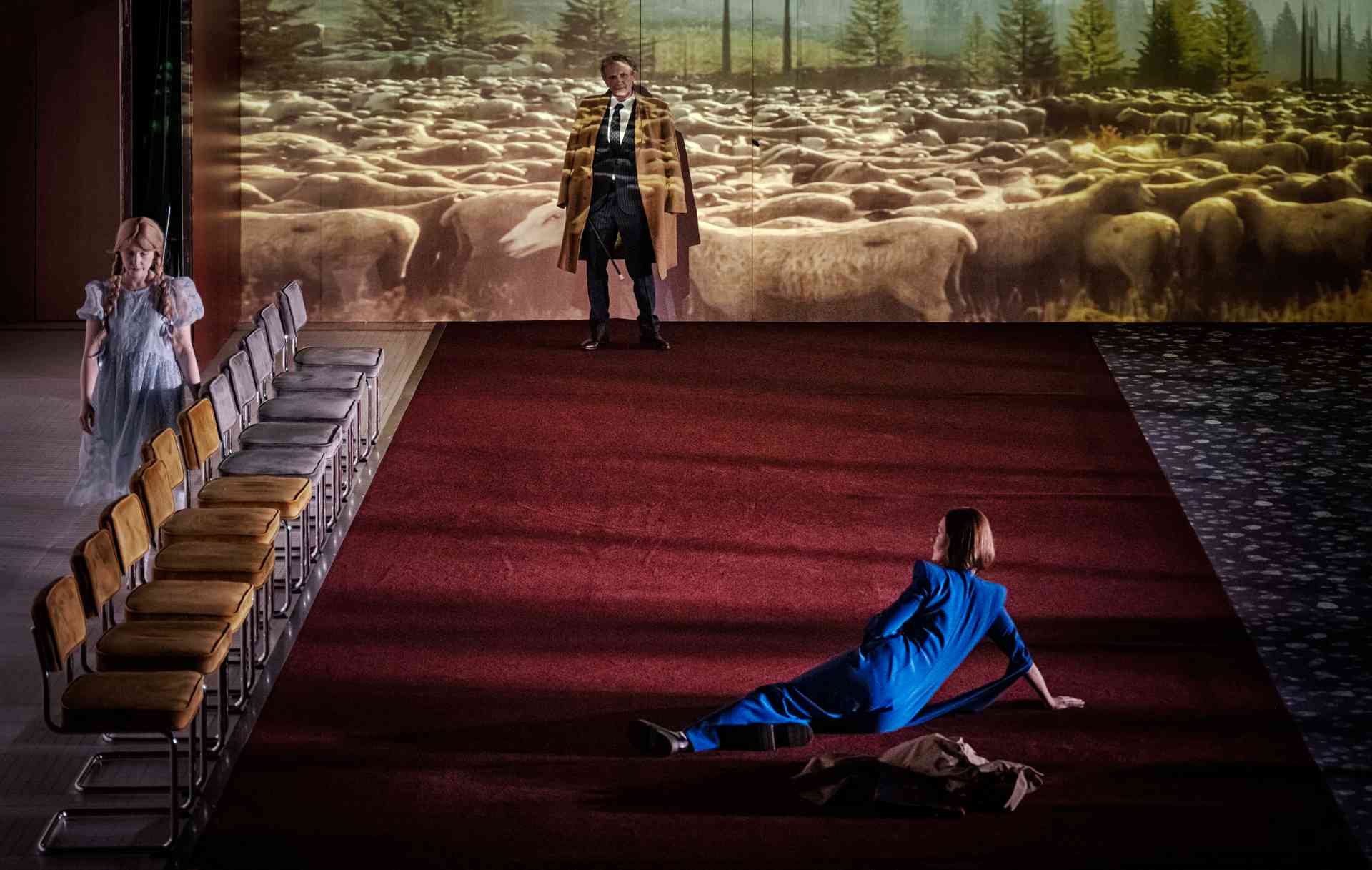
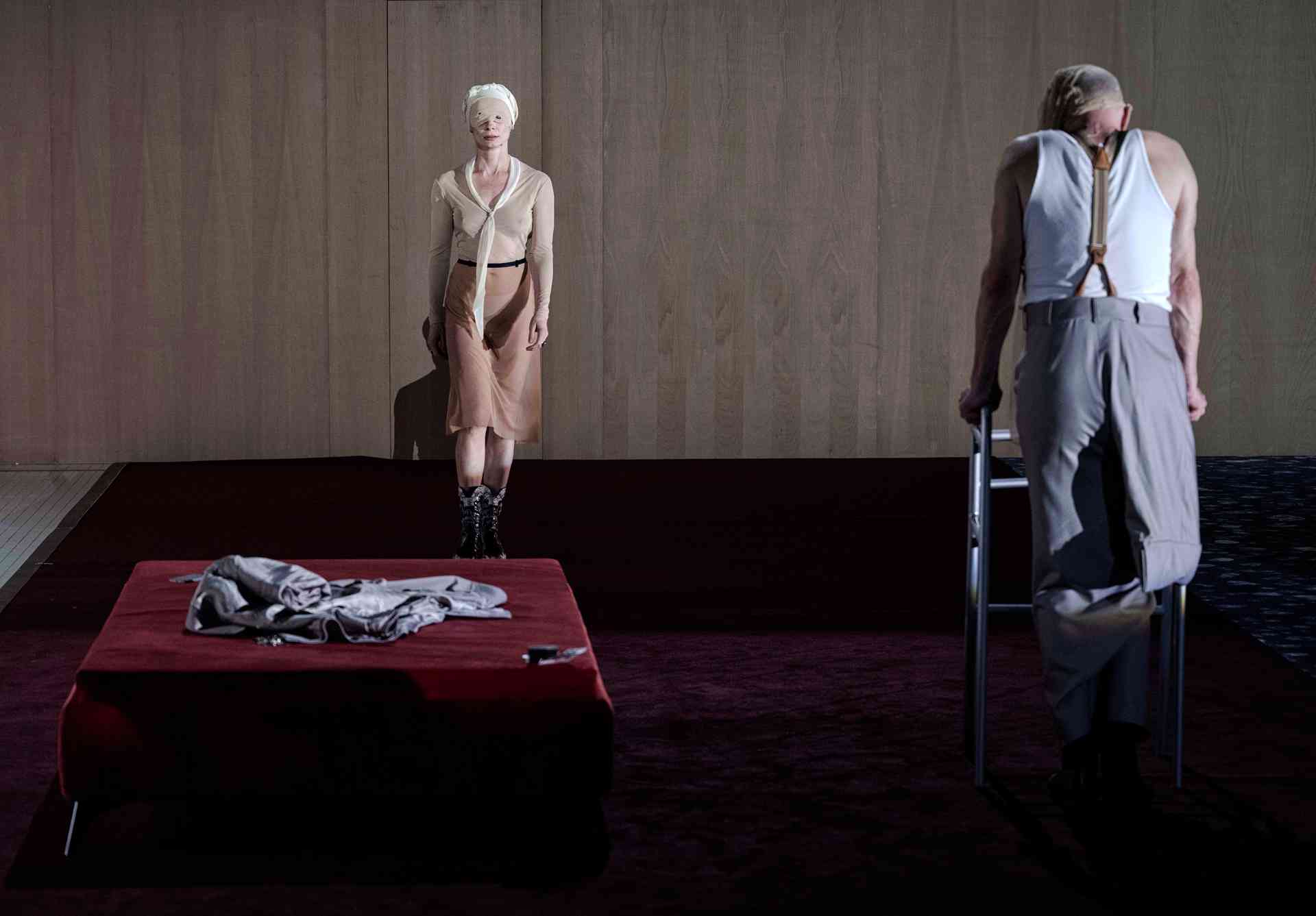
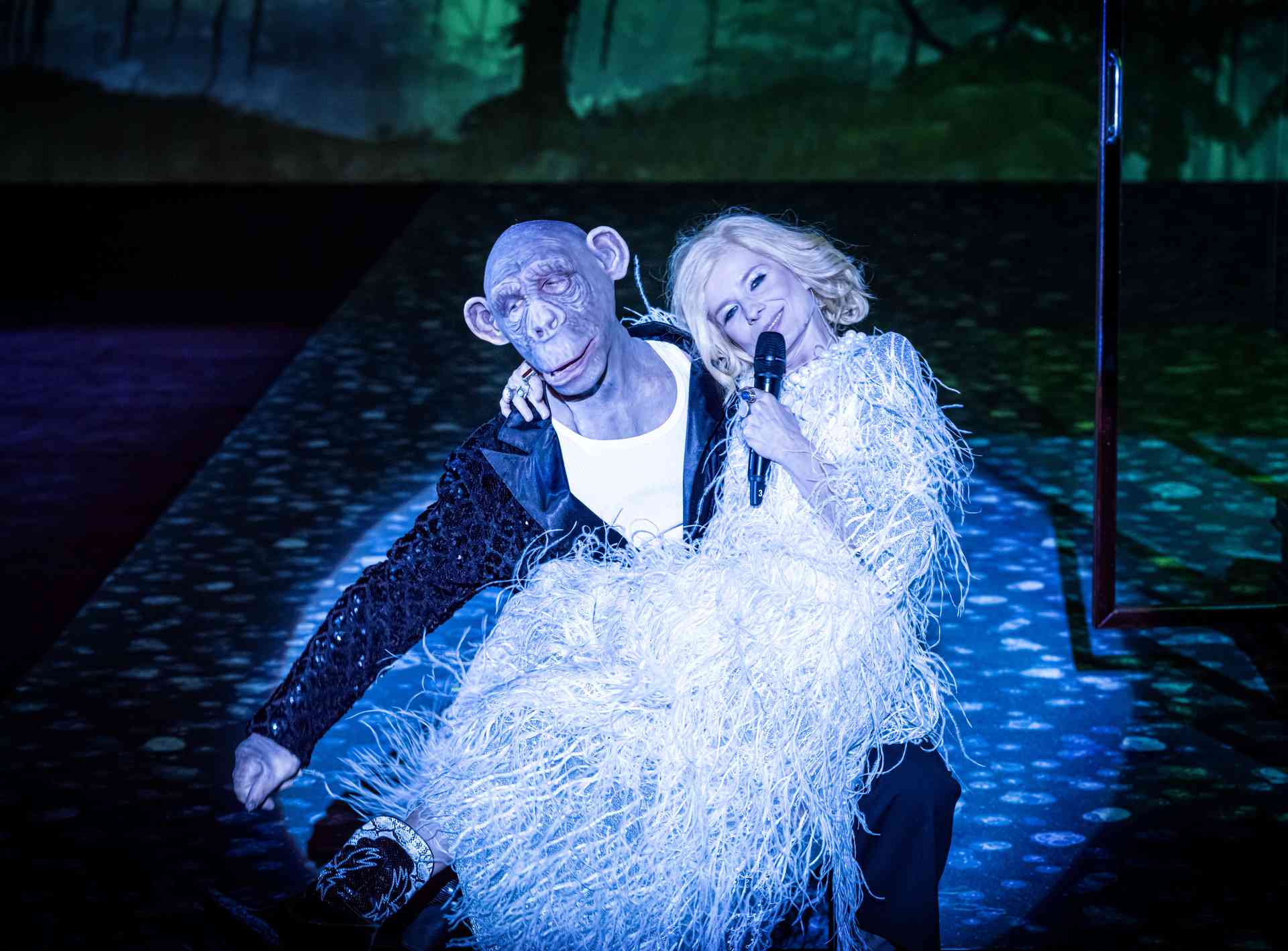
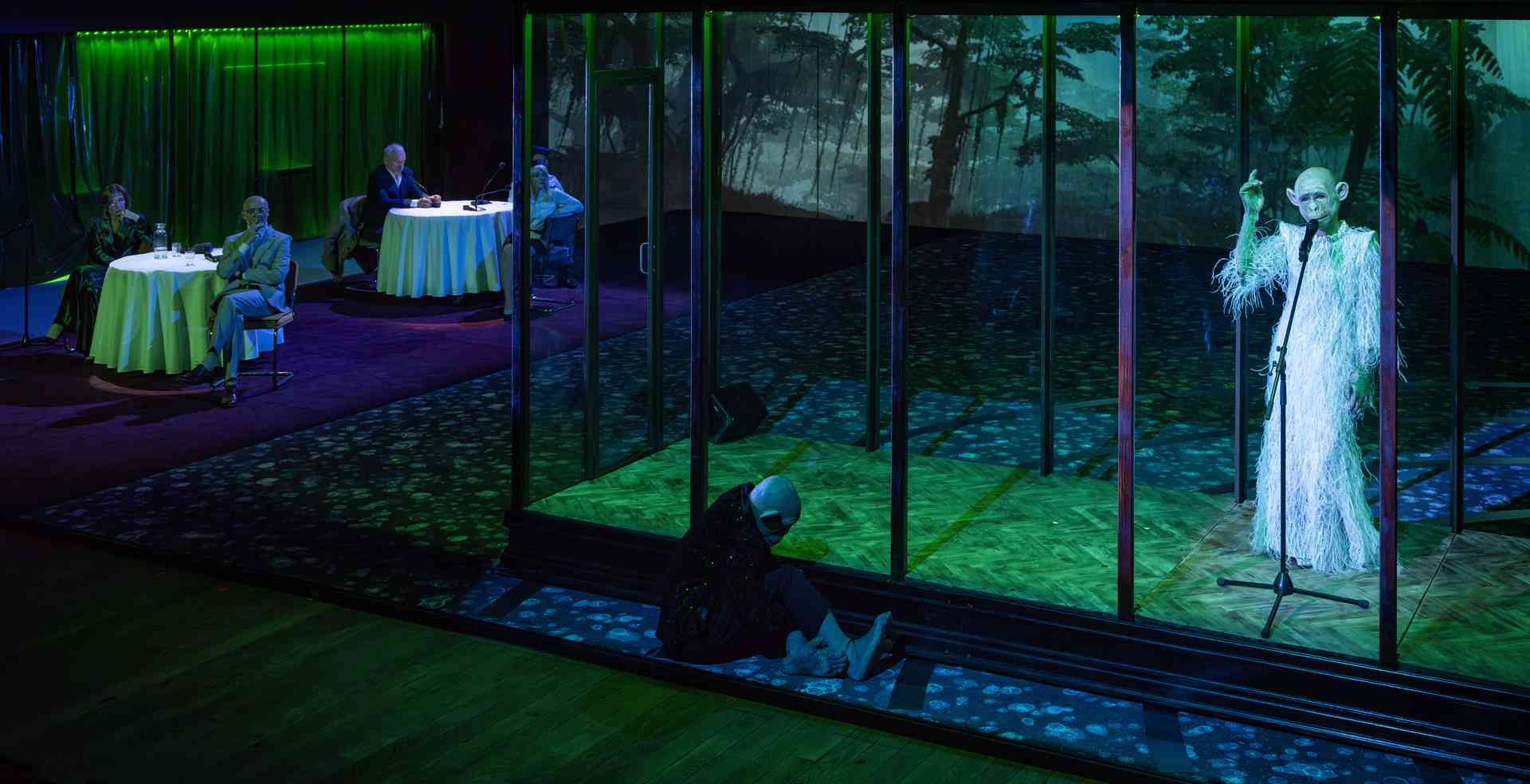
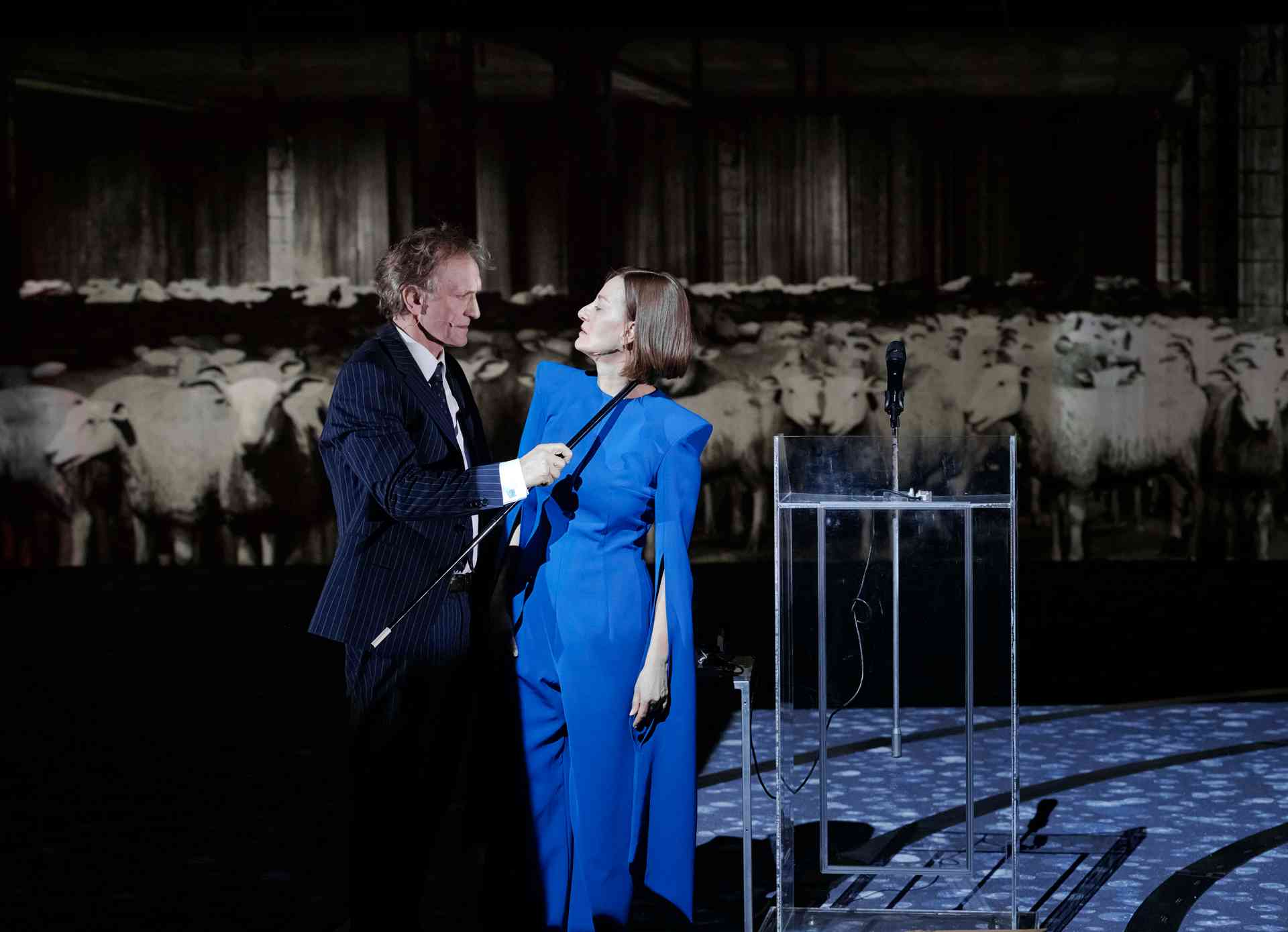
ELIZABETH COSTELLO. SEVEN LECTURES AND FIVE MORAL TALES The writer Elizabeth Costello first appeared in 1999 when John Maxwell Coetzee was invited to give two lectures at a university in the United States. Those lectures concerned a writer, Elizabeth Costello, who is invited to give two lectures at a university in the United States. In the years that followed, Coetzee went on to write several more pieces featuring Elizabeth Costello and her biography began to expand until, in 2003, she became the protagonist of an eponymous novel.
Elizabeth Costello is more than a made-up literary character. She might be said to be Coetzee’s artistic alter ego: someone who speaks in his name and bears the criticism and ire of his readers and academic polemicists. According to Coetzee, Elizabeth Costello elbows her way into his imagination and onto the page, then uses his voice to speak about philosophy, the environment and social and existential issues, and appeal to our conscience by drawing attention to the fate of animals, social injustice, and the exclusion of the elderly and the infirm. Appearing in texts the author had never intended for her to be in, she is like a ghost, a revenant – a dybbuk, perhaps. Or maybe she is just a beloved creature who keeps returning to haunt her maker.
Costello has also come to be a recurring character in Krzysztof Warlikowski’s theatre. She has appeared in five of his productions to date – sometimes speaking under her own name, sometimes being quoted by other characters. But while she seems to haunt Warlikowski nearly as often as she does the writer who called her to life, she has never had a whole play devoted to her.
Now, in placing Elizabeth Costello firmly at the center of his production, Warlikowski is taking the next logical step in a process whose development he might not have foreseen when he first gave her a platform on his stage.
In our complex post-digital age Krzysztof Warlikowski offers theatre that speaks to our spiritual needs and dilemmas and brilliantly serves its purpose at the present juncture in human civilization. He has given us a multi-faceted, well thought-out, exquisitely conceived and executed production with a demanding rhythm, one that requires tenacity and receptiveness to appreciate. Elizabeth Costello is a production full of stirring performances and profound meanings culminating in a salutary, moving and deeply human epilogue.
HELENI KOUTSILAIOU
I obviously can’t be sure, but I nonetheless believe that Elizabeth Costello is Krzysztof Warlikowski’s most personal production. I can see him in each of the Elizabeth Costellos; I hear him saying “I am Elizabeth Costello,” even though those words are never actually spoken. This is perhaps the first time Warlikowski has so openly broached the subject of old age: he touches upon the fleeting nature of existence and describes how it affects him. In the finale he might be looking at the world through the eyes of Elizabeth Costello, played this time by Maja Komorowska: terrified, and yet hopeful, his gaze focused on something – because there is something out there, after all.
JACEK WAKAR
KRZYSZTOF WARLIKOWSKI (1962) Theatre and opera director, founder and artistic director of Nowy Teatr. In collaboration with the set designer Małgorzata Szczęśniak, Warlikowski creates outstanding theatrical images. Through his work process, he leads his actors to reach the deepest layers of their creativity. He has created a new way of staging Shakespeare, his body of work also contains subversive interpretation of Greek tragedies, but he is also well known for his staging of modern authors. His 2002 production of Sarah Kane’s Cleansed at the Festival d’Avignon and the Festival de Théâtre des Amériques in Montreal received wide acclaim. It was a turning point for Warlikowski’s international presence. Since 2008 he has been the Artistic Director of Nowy Teatr in Warsaw, where he has so far directed nine shows based on multilayers text adaptation. He has also worked in Odéon Théâtre de l’Europe in Paris, where he directed two shows with Isabelle Hupert in the leading role: Streetcar (2011) and Phaedra(s) (2016). A separate field of Krzysztof Warlikowski’s work involves opera. Warlikowski is directing in the greatest European opera houses including La Monnaie in Brussels, the Paris National Opera, Teatro Real in Madrid, Bayerische Staatsoper in Munich, Royal Opera House in London, Festival d’Aix en Provence, Rurhtriennale and Salzburg Festival. In his attempt to retheatralisation of the opera he is perceived as one of the revolutionary opera directors. Krzysztof Warlikowski is a winner of numerous awards and his theatre productions were presented at the most important festivals. In 2021 the Venice Biennale awarded him the Golden Lion for Lifetime Achievement in Theatre.
NOWY TEATR was founded in Warsaw in 2008, with Krzysztof Warlikowski as its artistic leader, and a group of his long term collaborators. For the first five years it was without permanent seat, operating according to the formula of an interdisciplinary cultural centre. Spring 2016 saw the reopening of Nowy Teatr’s seat in a refurbished postindustrial hall in the heart of Warsaw. In 2025, Michał Merczyński replaced Karolina Ochab, who had held the position of general manager since the theater was founded. It has produced so far nine of Krzysztof Warlikowski’s productions ((A)pollonia; The End; African Tales by Shakespeare; Kabaret warszawski; The French; We Are Leaving; Odyssey. A Story for Hollywood; Elizabeth Costello. 7 Lectures and 5 Moral Tales; and Europa), co-produced Warlikowski’s Streetcar (starring Isabelle Huppert) along with Théâtre de l’Odéon in Paris. Since its beginning, Nowy Teatr has promoted young artists, giving them space to realize their artistic vision. Among the collaborators there are: Michał Borczuch, Krzysztof Garbaczewski, Anna Smolar. After the reopening, Nowy Teatr has become home for the new generation of Polish choreographers, actively supporting the development of the Polish dance scene. As an interdisciplinary institution, Nowy Teatr has also an elaborate music program, organizes exhibitions and offers a variety of educational activities, dedicated to all generations of viewers. It is home also to the young Polish theater showcase Generation After, and the New Europe Festival where it regularly presents the breakthrough international theatre productions.